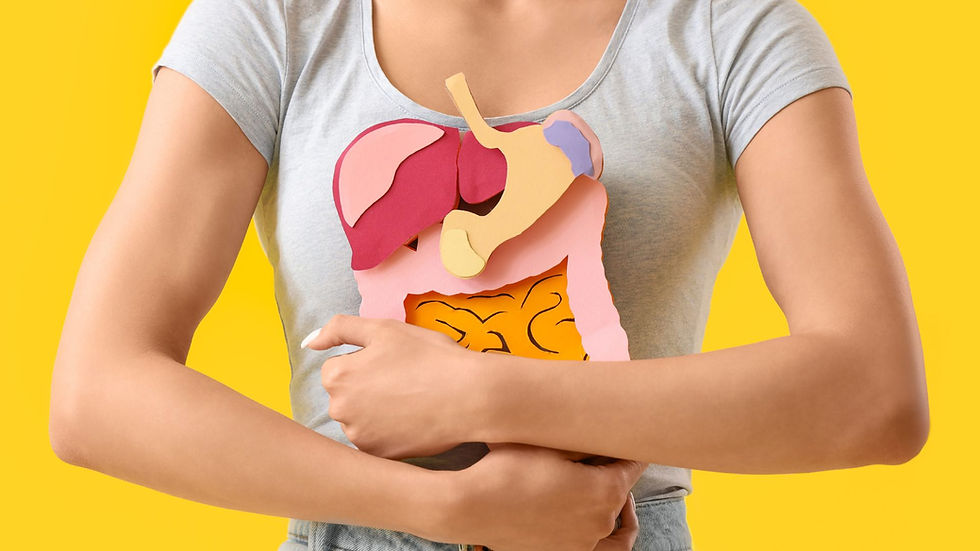
Digestion begins the moment food enters your mouth and continues through the stomach, small intestine, and large intestine. The process involves breaking food into smaller nutrients, absorbing them into the bloodstream, and sending them to cells for energy, repair, and growth. When digestion or absorption is compromised, the body becomes nutrient-deficient even with a good diet. This leads to bloating, fatigue, inflammation, weight fluctuations, and poor metabolic health.

Problems Associated With Stomach and Gut
SIBO (Small Intestinal Bacterial Overgrowth)
SIBO occurs when bacteria that normally reside in the large intestine migrate and multiply in the small intestine. This disrupts digestion and nutrient absorption.
Common symptoms: Severe bloating after meals, gas, diarrhoea or constipation, nutrient deficiencies (especially B12), and unexplained weight changes.
Causes: Poor motility, low stomach acid, diabetes, chronic stress, repeated antibiotic use, and structural issues in the intestine.
SIFO (Small Intestinal Fungal Overgrowth)
SIFO is characterized by the overgrowth of yeast/fungi—mainly Candida species—in the small intestine.
Symptoms: Bloating, fatigue, sugar cravings, brain fog, recurrent fungal infections, and abdominal discomfort.
Causes: High-sugar diet, frequent antibiotic use, immune imbalance, gut dysbiosis, and long-term acid suppression medications (like PPIs).
E. Coli Overgrowth or Infection
The gut naturally contains beneficial and neutral strains of E. coli, but certain pathogenic strains can multiply excessively.
Symptoms: Persistent diarrhoea, abdominal cramps, fever, nausea, and in severe cases, dehydration or colitis.
Causes: Contaminated food or water, weakened immunity, microbial imbalance, and poor digestive defence due to low stomach acid.
Dysbiosis (Microbial Imbalance)
Dysbiosis refers to an imbalance between beneficial, neutral, and harmful microbes in the gut.
Symptoms: Poor digestion, weakened immunity, inflammation, mood issues, skin problems, and metabolic difficulties.
Causes: Processed foods, stress, alcohol, antibiotics, poor sleep, and lack of fibre-rich meals.
Diverticulitis
Diverticulitis occurs when small pouches (diverticula) in the intestinal lining become inflamed or infected.
Symptoms: Abdominal pain (especially lower-left), fever, bloating, constipation or diarrhoea.
Causes: Low-fibre diet, chronic constipation, obesity, and age-related changes in intestinal structure.
Ulcerative Colitis (UC)
UC is a type of inflammatory bowel disease where chronic inflammation causes ulcers in the colon and rectum.
Symptoms: Bloody stools, abdominal pain, urgent bowel movements, fatigue, and weight loss.
Nature: Autoimmune-related, influenced by genetics, immune dysfunction, environmental triggers, and dysbiosis.
Low Stomach Acid (Hypochlorhydria)
Low stomach acid prevents proper protein digestion, reduces mineral absorption, and allows microbes to survive in the stomach.
Symptoms: Bloating, reflux, heaviness after meals, gas, nutrient deficiencies (iron, B12, zinc), and recurrent infections.
Common causes: Ageing, stress, excessive PPI use, H. pylori infection, and chronic inflammation.
GERD (Gastroesophageal Reflux Disease)
GERD happens when stomach contents flow back into the oesophagus due to weakened lower oesophageal sphincter function.
Symptoms: Heartburn, chest discomfort, sour taste, chronic cough, throat irritation.
Triggers: Spicy food, overeating, alcohol, caffeine, late-night meals, obesity, and hiatal hernia.
IBS (Irritable Bowel Syndrome)
IBS is a functional gut disorder involving changes in bowel movement patterns and heightened gut sensitivity.
Symptoms: Bloating, diarrhoea, constipation, abdominal cramping, and mucus in stool.
Causes: Stress, anxiety, food sensitivities (FODMAPs), microbial imbalance, poor motility, and hormonal fluctuations.
IBD (Inflammatory Bowel Disease)
IBD includes Crohn’s Disease and Ulcerative Colitis, both involving chronic inflammation of the digestive tract.
Symptoms: Persistent digestive pain, diarrhoea, blood in stools, fatigue, weight loss, and nutrient deficiencies.
Root causes: Genetic predisposition, immune dysregulation, chronic inflammation, dysbiosis, and environmental triggers.
Our Management Approach
At Relish Health, we follow a root-cause, personalised approach instead of only managing symptoms.
Our method includes:
Detailed Assessment:
Lifestyle history, dietary patterns, symptoms, triggers, and functional questionnaires.
Advanced Testing (If Needed):
GI mapping, stool analysis, breath tests for SIBO/SIFO, food sensitivities, inflammatory markers, and micronutrient levels.
Customized Nutrition Plan:
Anti-inflammatory meals, gut-restoring foods, fibre modulation, digestive enzymes, and microbiome balancing strategies.
Lifestyle Integration:
Stress-modulation, sleep hygiene, movement therapy, and circadian rhythm support.
Continuous Monitoring:
Weekly adjustments to ensure healing, improved motility, better digestion, and symptom reduction.
Let's Work
Together
© 2024, Relish Health. All rights reserved.
