Chronic Inflammation Caused by Cigarette Smoking: Functional Medicine, Home Remedies & Nutrition That Help
- Jigar Thakkar
- Nov 23, 2025
- 5 min read


Introduction
Cigarette smoke is not just a respiratory irritant — over time, it acts as a silent arsonist in your body, fueling chronic inflammation that affects your airways, immune system, and even your joints. Whether you're a smoker, live with one, or have been exposed to second-hand smoke for years, the impact is more than just a cough. In this blog, we’ll dive deep into how cigarette smoke causes chronic inflammation, why it contributes to rhinitis and joint pain, and practical, science-backed strategies to manage it naturally through home care, functional medicine, and nutrition.
1. How Cigarette Smoke Triggers Chronic Inflammation
1.1 What’s in Cigarette Smoke
Cigarette smoke is a complex cocktail of over 7,000 chemicals — including free radicals, polycyclic aromatic hydrocarbons (PAHs), volatile organic compounds, heavy metals, tar, and nicotine. These compounds generate oxidative stress and trigger inflammatory pathways when inhaled regularly. PubMed+2PubMed+2
1.2 The Inflammatory Cascade: Molecular Mechanisms
Exposure to cigarette smoke activates NF-κB, a key transcription factor that increases the production of pro-inflammatory cytokines (like IL-8, TNF-α) in immune cells. PubMed
At the same time, smoke depletes glutathione (GSH) — your body’s major antioxidant — especially in airway epithelial cells, making them more vulnerable to oxidative damage. PubMed
As glutathione levels drop, the redox balance shifts unfavorably, leading to more ROS (reactive oxygen species), which further fuels inflammation and tissue injury. PubMed+1
2. Impact on the Upper Respiratory Tract (URT)
2.1 Structural Damage & Impaired Function
Cigarette smoke directly injures the epithelium (lining) of the nasal cavity, sinuses, and throat, which can lead to chronic rhinosinusitis (CRS). PubMed+1
Part of this damage stems from cilia loss or dysfunction. These tiny hair-like structures usually help clear mucus and particles, but smoke reduces their number and impairs their function. PubMed
This reduced mucociliary clearance means irritants linger longer in the URT, encouraging more inflammation and infection.
2.2 Smoke & Rhinitis
Epidemiological studies show a clear association between both active smoking and passive smoke exposure with chronic rhinitis symptoms (nasal congestion, runny nose, irritation), even in people without allergies. PubMed+1
According to research, the risk increase is significant — suggesting that smoke induces non-allergic rhinitis via inflammation rather than an allergic (IgE-mediated) mechanism. BioMed Central
A clinical study also showed that cigarette smoke amplifies nasal inflammatory responses (including IL-6, IL-8, TNF-α) after allergen challenge, worsening symptoms in people with allergic rhinitis. education.aaaai.org

3. How Smoke Is Metabolised & Why That Matters
3.1 Detox Mechanisms & Glutathione Depletion
After inhalation, toxic constituents of cigarette smoke are processed by your body’s Phase I and Phase II detoxification systems.
In airway epithelial cells, exposure to cigarette smoke causes an initial drop in intracellular glutathione (GSH), followed by compensatory increases in GSH-synthesis machinery (GCLC, GCLM enzymes). PubMed
However, chronic exposure often overwhelms this system, leading to persistent oxidative stress.
3.2 Redox Imbalance & Cellular Damage
The imbalance between ROS production and antioxidant capacity (due to depleted GSH) leads to molecular damage in proteins, lipids, and DNA. PubMed
This persistent oxidative stress not only drives inflammation but hampers the ability to heal and regenerate airway tissues.
4. Why Cigarette Smoke Can Lead to Joint Pain
4.1 Systemic Inflammation & Cytokine Elevation
Smoking is linked to elevated levels of systemic pro-inflammatory cytokines. For instance, studies show that smokers—and even ex-smokers—have significantly higher serum levels of markers like sIL-6R and CXCL9/MIG. PubMed
In patients with COPD, current smokers showed higher TNF-α levels compared to non-smokers, indicating a persistent systemic inflammatory response. PubMed
4.2 Oxidative Stress & Joint Tissue Damage
In patients with osteoarthritis (OA), smoking was found to increase oxidative stress markers like malondialdehyde (MDA) in both blood and synovial fluid, while reducing antioxidant enzyme activity. PubMed
This oxidative stress in the joint microenvironment may worsen cartilage degradation and contribute to pain.
4.3 Autoimmune Mechanisms (Rheumatoid Arthritis)
Cigarette smoke has been strongly associated with rheumatoid arthritis (RA) risk in multiple studies. UMT Journals+1
Mechanistically, smoke can enhance expression of autoantigens (e.g., via protein citrullination), modulate immune responses, and drive chronic joint inflammation. BioMed Central

5. Managing Smoke-Induced Chronic Inflammation: Evidence-Based Solutions
Here are science-backed strategies to reduce inflammation, support detox, and mitigate smoke-related damage.
5.1 Home Remedies & Lifestyle Practices
Steam Inhalation: Inhaling steam (with or without essential oils like eucalyptus) helps loosen mucus and soothe irritated nasal passages.
Nasal Saline Rinse / Neti Pot: Flushes out irritants, soot, and inflammatory debris from the nasal cavity.
Warm Gargle: A salt-water gargle can reduce throat inflammation and neutralize harmful agents.
Indoor Air Quality: Use HEPA filters, open windows, and avoid indoor smoking.
Quit Smoking or Avoid Exposure: The most impactful step — reducing or stopping exposure drastically lowers the inflammatory burden.
5.2 Functional Medicine & Supplement Support
Below are interventions with solid mechanistic or clinical backing:
Target | Supplement / Strategy | Rationale / Evidence |
Glutathione Replenishment | N-acetyl-cysteine (NAC) | NAC provides cysteine for glutathione synthesis, helping restore redox balance. |
Antioxidant Defense | Alpha-lipoic acid, Vitamin C, Vitamin E | These help neutralize ROS generated by smoke exposure. |
Anti-Inflammatory Cytokine Modulation | Quercetin, Stinging nettle, Vitamin C | These may reduce cytokine-driven inflammation in nasal tissues. |
Joint Support | Omega-3 (EPA), Curcumin Phytosome, Boswellia | These have anti-inflammatory effects on systemic cytokines and joint tissues. |
Airway & Mucosal Healing | Glutamine, Colostrum, Mucin-supportive nutrients | Support the integrity of airway mucosa and defense against irritants. |
5.3 Nutritional & Dietary Strategies
Anti-Inflammatory Diet: Prioritize fatty fish (salmon, sardines), olive oil, green leafy vegetables, berries, turmeric, garlic, and ginger.
Glutathione-Boosting Foods: Broccoli, spinach, garlic, onions — these provide sulfur and precursors required for GSH synthesis.
Hydration: Adequate water intake supports detox via kidneys and helps flush inflammatory by-products.
Limit Pro-Inflammatory Foods: Reduce processed sugar, trans fats, and refined oils that worsen inflammation.
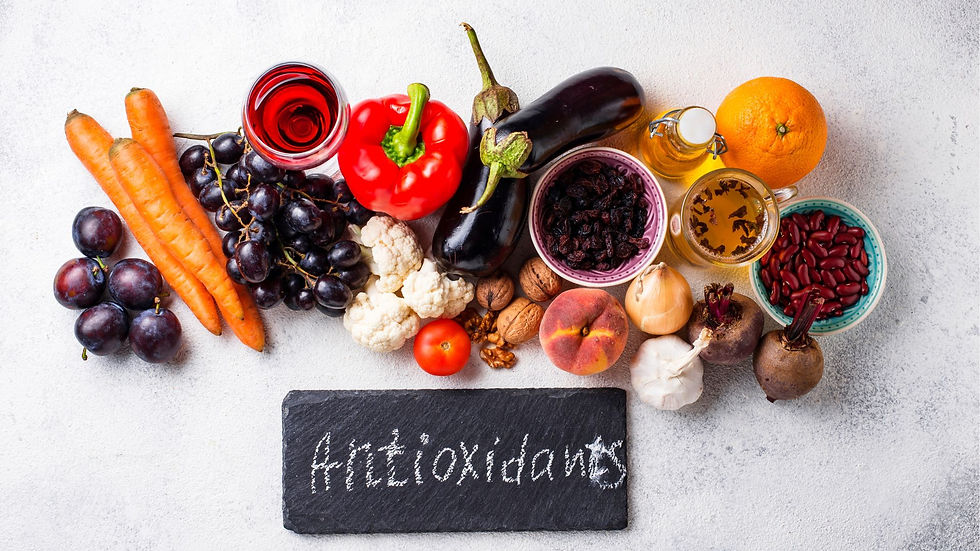
Antioxidant-Rich Foods: Citrus fruits, berries, pomegranates, and green tea help neutralize free radicals.
6. Why These Solutions Work — According to Science
Glutathione restoration is key because smoke depletes intracellular GSH, crippling antioxidant defenses. PubMed+1
Anti-inflammatory supplements like curcumin and omega-3 are well known to lower systemic inflammation markers and may help counter cytokines elevated by smoking.
Improving mucociliary clearance (via nasal rinses) reduces the local irritant burden, which otherwise perpetuates URT inflammation in smokers. Epidemiological reviews support this (smoke exposure correlates with chronic nasal disease). PubMed
Reducing oxidative stress in joints may slow cartilage damage. Studies in OA patients show higher oxidative stress in smokers, linking smoking with joint degeneration. PubMed
7. Frequently Asked Questions (FAQs)
Q1: Will quitting smoking reverse all the inflammation?
Quitting is the single most powerful step, but not all damage reverses immediately. Antioxidant systems, mucosal healing, and joint repair take time. The interventions above help accelerate recovery.
Q2: Is second-hand smoke equally harmful?
Yes, passive exposure is strongly associated with chronic rhinosinusitis and nasal symptoms. PubMed+1
Q3: Are these supplements safe to take with other medications?
Many supplements (like NAC, omega-3, curcumin) are generally safe but can interact with drugs or health conditions. Always check with a qualified functional-medicine practitioner or physician.
Conclusion
Cigarette smoke — whether from active smoking or passive exposure — is a potent trigger for chronic inflammation. It affects the upper respiratory tract, immune system, and even joints, contributing to symptoms like rhinitis, sinus issues, and joint pain.
But you’re not powerless: With a combination of home practices, functional medicine, and anti-inflammatory nutrition, you can significantly reduce the inflammatory load, support detox systems, and help your body heal.


Comments