Neuroplasticity: Unlocking the Brain’s Power for Recovery
- Jigar Thakkar
- Dec 24, 2024
- 5 min read

In recent years, neuroplasticity has become a buzzword in the fields of neuroscience, rehabilitation, and recovery. The concept, which refers to the brain’s ability to reorganize and form new neural connections, has profound implications for people recovering from injuries, strokes, or neurological disorders. By understanding and harnessing neuroplasticity, individuals can accelerate recovery, regain lost functions, and potentially surpass pre-injury capabilities.
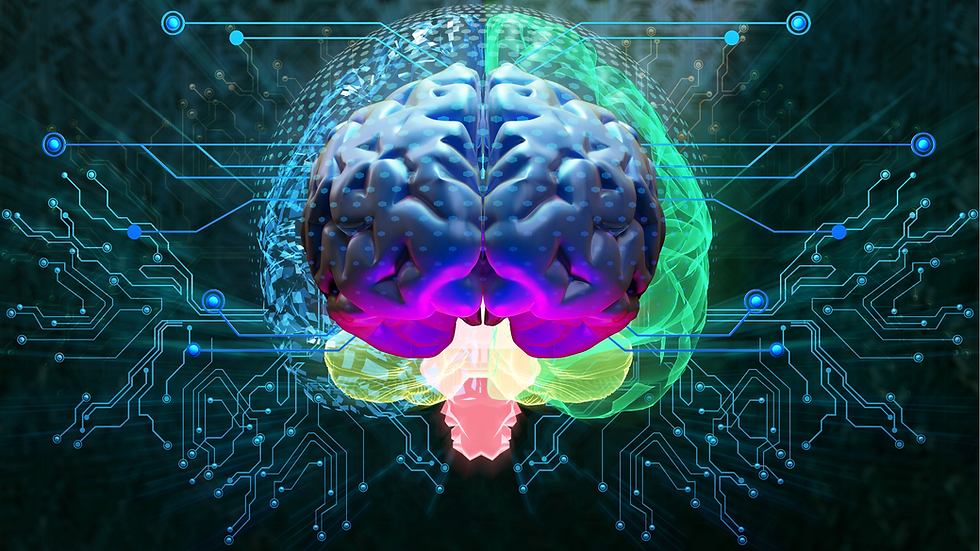
What is Neuroplasticity?
Neuroplasticity, also known as brain plasticity, is the ability of the brain to reorganize itself by forming new neural connections. This means that when certain areas of the brain are damaged, other parts can adapt to take over the lost function, or the brain can create new pathways to compensate for the loss.
Neuroplasticity occurs throughout life, though it is most pronounced in the early years of development. However, the brain retains its plasticity even in adulthood, which is crucial for recovery from injury or illness. Whether due to a stroke, traumatic brain injury, or other neurological conditions, neuroplasticity allows the brain to rewire itself in response to new experiences, learning, or healing processes.
How Does Neuroplasticity Work in Recovery?
When the brain is injured, it initially experiences a disruption in normal functions. However, neuroplasticity enables recovery by allowing the brain to reorganize and compensate for lost functions. For example, after a stroke, one area of the brain might be damaged, causing paralysis in a specific limb. Through rehabilitation exercises and therapies, the brain can form new connections that enable different parts of the brain to control movement, or it may restore some functions by "rewiring" neural pathways.
Neuroplasticity can work in two ways:
Functional Reorganization: Other brain areas take over the functions that were lost due to injury. This can involve motor functions, speech, memory, or cognitive abilities.
Compensatory Mechanisms: The brain might not fully restore lost functions but can develop new ways to complete tasks using different neural pathways.
This rewiring doesn’t happen overnight. Neuroplasticity requires consistent practice, stimulation, and time for new connections to be formed and strengthened. The more a person engages in specific exercises or therapies, the more the brain can adapt and recover.

The Role of Rehabilitation in Neuroplasticity
Rehabilitation plays a crucial role in promoting neuroplasticity. Whether through physical therapy, cognitive therapy, or speech therapy, rehabilitation exercises are designed to stimulate specific areas of the brain and encourage neuroplastic changes. Here's how rehabilitation can harness neuroplasticity:
1. Repetitive Exercises
Rehabilitation exercises are often repetitive, which helps reinforce neural connections. The repetition of specific tasks—like moving a hand after a stroke or practicing speech patterns—encourages the brain to form new connections in response to these activities.
For example, after a stroke, a patient may be asked to practice grasping and releasing objects to help the brain rebuild motor control over the hand. Repetition helps strengthen the brain's new neural circuits and restore lost abilities over time.
2. Task-Specific Training
Task-specific training involves practicing real-life tasks to engage the brain in functional activities. For instance, patients recovering from a stroke may practice tasks like buttoning a shirt or holding a cup to stimulate motor functions. This type of rehabilitation encourages neuroplasticity by mimicking actual activities the brain will perform once it has recovered.
3. Sensory Stimulation
Certain therapies use sensory stimulation to help the brain create new pathways. For instance, visual, auditory, and tactile stimuli are used in stroke rehabilitation to encourage the brain to make connections. These forms of stimulation enhance brain activity and promote neural growth in the affected regions.
4. Virtual Reality (VR) and Brain Training
Emerging technologies like virtual reality and brain-training apps are also being utilized to promote neuroplasticity. VR allows patients to engage in simulated environments where they can practice movement and cognitive exercises. These tools provide a safe, controlled environment to challenge the brain and stimulate the recovery process.

Factors That Enhance Neuroplasticity in Recovery
While neuroplasticity is a natural process, there are several factors that can enhance or accelerate it during rehabilitation:
1. Motivation and Mental Engagement
One of the most critical factors in neuroplasticity is motivation. The brain thrives on challenge and engagement. For someone recovering from an injury, staying motivated and committed to their rehabilitation program can significantly increase the chances of successful recovery. The more focused and engaged an individual is during rehabilitation exercises, the more the brain can rewire itself effectively.
2. Sleep and Rest
Rest and sleep are essential for neuroplasticity to occur. During sleep, the brain consolidates new memories and neural pathways. Good quality sleep helps strengthen the brain's ability to form and maintain new connections, which is crucial for recovery after an injury.
3. Nutrition
Nutrition plays a vital role in brain health and neuroplasticity. Diets rich in omega-3 fatty acids, antioxidants, and vitamins help promote brain function and support the repair of damaged brain cells. For example, omega-3 fatty acids found in fish oil have been shown to improve cognitive function and neurogenesis (the growth of new neurons).
4. Physical Exercise
Physical activity is a powerful promoter of neuroplasticity. Regular exercise increases blood flow to the brain, encouraging the growth of new neurons and enhancing overall brain health. For those recovering from a neurological injury, light exercises like walking or swimming can help encourage neuroplastic changes, particularly in areas related to motor control.

The Role of Technology in Neuroplasticity and Rehab
Technology is playing a growing role in enhancing neuroplasticity in rehabilitation. Several advanced techniques and tools are now available to support the brain’s ability to heal and reorganize:
Brain-Computer Interfaces (BCIs): BCIs are devices that use brain signals to control external devices like robotic arms or computer cursors. These interfaces can be used in rehab to stimulate specific brain areas and help patients recover lost motor functions.
Transcranial Magnetic Stimulation (TMS): TMS is a non-invasive technique that uses magnetic fields to stimulate specific areas of the brain. This has shown promising results in enhancing neuroplasticity and accelerating recovery after brain injuries or strokes.
Virtual Reality (VR): VR therapy is becoming increasingly popular in neuroplasticity rehabilitation. By immersing patients in virtual environments, VR allows them to perform exercises and tasks in a simulated but highly engaging way, which accelerates neuroplastic changes.
Mobile Apps and Neurofeedback: Apps that track cognitive and physical performance provide real-time feedback, helping patients monitor their progress and stay motivated. Neurofeedback devices help train the brain by providing visual or auditory cues in response to brain activity, encouraging positive neuroplastic changes.
Challenges and Limitations
While neuroplasticity is a powerful tool for recovery, there are challenges and limitations to consider. Not every injury or condition can benefit equally from neuroplasticity. The extent of recovery largely depends on the type and severity of the injury, the timing of rehabilitation, and the individual’s overall health.
Additionally, neuroplasticity requires significant time, patience, and consistent effort. It is not an instant fix, and progress may appear slow at first. However, with the right interventions, dedication, and support, neuroplasticity can significantly improve recovery outcomes.
Conclusion: Harnessing the Brain’s Power for Recovery
Neuroplasticity has opened up new possibilities for individuals recovering from neurological injuries, brain trauma, and strokes. By understanding and leveraging the brain's ability to reorganize itself, patients can recover lost functions, enhance rehabilitation outcomes, and even exceed their pre-injury capabilities. With advances in rehabilitation techniques, technology, and a deeper understanding of how neuroplasticity works, we are now in a better position than ever before to unlock the brain’s full potential for recovery.
Whether you are an individual recovering from injury or a caregiver guiding someone through rehab, embracing the concept of neuroplasticity can empower you to make significant strides in the healing process. The brain is resilient, and with the right support, it can heal, adapt, and rebuild stronger than before.


Comments