Understanding Gut Health: Distinguishing Between Dysbiosis, IBS, IBD, SIBO, and Colitis
- Jigar Thakkar
- Oct 15, 2024
- 3 min read

Gut health is a crucial aspect of overall well-being, influencing everything from digestion to immune function. However, many people experience gastrointestinal issues that can be confusing to navigate. This blog will clarify the differences between gut dysbiosis, irritable bowel syndrome (IBS), inflammatory bowel disease (IBD), small intestinal bacterial overgrowth (SIBO), and colitis. We’ll also explore effective solutions for each condition.
What is Gut Dysbiosis?
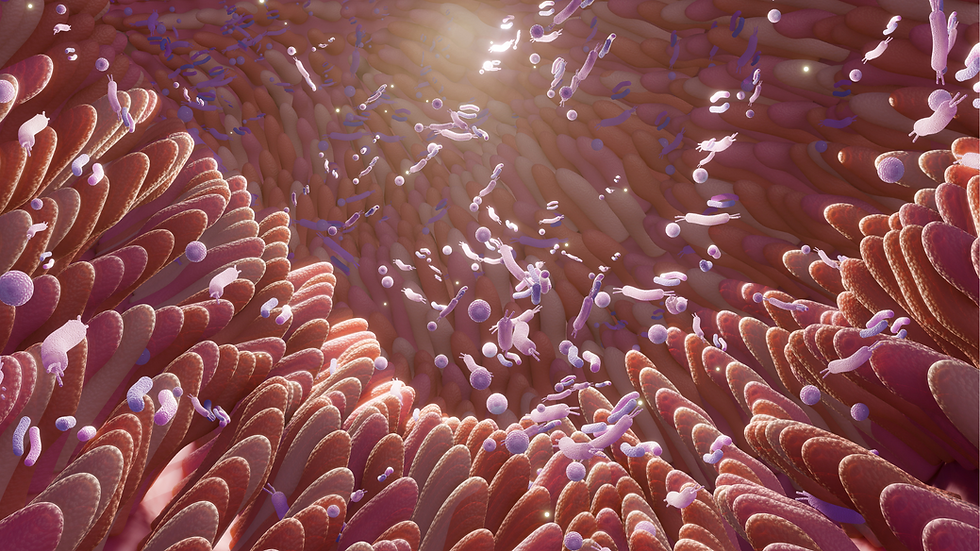
Gut dysbiosis refers to an imbalance in the gut microbiota, the diverse community of bacteria and microorganisms that live in the intestines. When the balance is disrupted—often due to poor diet, stress, antibiotics, or illness—this can lead to various digestive issues and symptoms such as bloating, gas, and irregular bowel movements.
Solutions for Gut Dysbiosis
Probiotics: Introducing beneficial bacteria can help restore balance. Look for multi-strain probiotics.
Prebiotics: Foods high in fiber (like bananas, onions, and garlic) feed beneficial bacteria.
Dietary Changes: Adopt a diet rich in whole foods and low in processed sugars and fats.
Reduce Stress: Engage in stress-reducing practices like meditation or yoga.
What is IBS?
Irritable bowel syndrome (IBS) is a functional gastrointestinal disorder characterized by symptoms like abdominal pain, bloating, and changes in bowel habits (diarrhea or constipation). It is a diagnosis of exclusion, meaning other conditions must be ruled out.
Solutions for IBS
Dietary Modifications: The low-FODMAP diet can be effective for many IBS sufferers, as it eliminates fermentable carbohydrates that can trigger symptoms.
Stress Management: Techniques like cognitive behavioral therapy (CBT) and mindfulness can help reduce symptom flare-ups.
Medications: Over-the-counter laxatives or anti-diarrheal medications can manage symptoms, while some individuals may benefit from prescription medications tailored to IBS.

What is IBD?
Inflammatory bowel disease (IBD) is a group of inflammatory conditions of the gastrointestinal tract, primarily including Crohn's disease and ulcerative colitis. Symptoms often include severe abdominal pain, diarrhea, weight loss, and fatigue. IBD is an autoimmune condition, meaning the body's immune system mistakenly attacks the gut lining.
Solutions for IBD
Medications: Anti-inflammatory drugs, immunosuppressants, and biologics can help manage inflammation.
Dietary Considerations: While there is no one-size-fits-all diet, many find relief with low-fiber or bland diets during flare-ups.
Regular Monitoring: Work closely with a gastroenterologist to manage symptoms and monitor disease progression.

What is SIBO?
Small intestinal bacterial overgrowth (SIBO) occurs when an excessive number of bacteria grow in the small intestine, leading to symptoms like bloating, diarrhea, and malnutrition. It can often coexist with IBS.
Solutions for SIBO
Antibiotics: Targeted antibiotics can help reduce bacterial overgrowth.
Dietary Changes: A low-FODMAP diet or a specific carbohydrate diet (SCD) may help alleviate symptoms.
Probiotics: Careful use of probiotics can support gut health post-treatment, but consult a healthcare provider for personalized advice.

What is Colitis?
Colitis refers to inflammation of the colon and can have various causes, including infection, IBD, or ischemia. Symptoms typically include abdominal pain, diarrhea (often bloody), and cramping.
Solutions for Colitis
Identifying the Cause: Treatment depends on whether the colitis is caused by infection, IBD, or another factor.
Medications: Anti-inflammatory drugs and corticosteroids can help manage inflammation.
Dietary Adjustments: A bland diet may be beneficial during flare-ups; however, it’s important to identify and avoid specific triggers.
Summary of Differences
Condition | Key Characteristics | Main Causes |
Gut Dysbiosis | Microbial imbalance; bloating, irregular bowel | Poor diet, antibiotics, stress |
IBS | Functional disorder; abdominal pain, diarrhea/constipation | Unknown; stress, diet, gut-brain interaction |
IBD | Inflammatory condition; severe pain, diarrhea | Autoimmune response |
SIBO | Bacterial overgrowth; bloating, diarrhea | Impaired motility, anatomical issues |
Colitis | Inflammation of the colon; abdominal pain, diarrhea | Infection, IBD, ischemia |
Conclusion
Understanding the distinctions between gut dysbiosis, IBS, IBD, SIBO, and colitis is essential for effective management and treatment. Each condition requires a tailored approach, often involving dietary changes, stress management, and medical intervention. If you’re experiencing persistent digestive issues, consulting with a healthcare professional is crucial for proper diagnosis and treatment. Taking proactive steps toward gut health can significantly improve your quality of life and overall well-being.


Comments